A battery of an electric two-wheeler exploded while it was being charged inside a flat in the Diva area near Thane district in Maharashtra on Monday, triggering a fire, civic officials said, reported the PTI. The incident occurred after 4 pm in a room on the third floor of Siddhant Regency Building No. 1 in Diva. Although no one was injured, the explosion caused extensive damage to the house. The fire quickly spread through the living room, damaging household items. Yasin Tadvi, Chief of the Disaster Management Cell of the Thane Municipal Corporation (TMC), said a battery used for charging an electric two-wheeler exploded, leading to the fire, according to the PTI. “The sofa, furniture, and electrical wiring in the house were completely burnt and damaged. However, the fire has been fully extinguished,” Tadvi said. Fire brought under control quickly Firefighters rushed to the spot and managed to bring the blaze under control by 4.40 pm, preventing it from spreading to other flats in the building. Civic officials stated that the situation is now under control and that no casualties were reported. Tree catches fire near Ram Mandir in Thane Meanwhile, in an another incident, a tree caught fire near Ram Mandir, Gandhinagar, Kopri area in Thane East early on Monday, prompting an immediate response from the Disaster Management Cell and local firefighting unit. As per the Disaster Management cell, “Kopri Fire Station reported that the incident occurred at approximately 07:10 am. A team comprising one fire engine, one rescue vehicle, and personnel from the Disaster Management Cell in a utility vehicle reached the scene promptly.” The firefighters successfully extinguished the fire and no injuries were reported during the incident. The authorities further confirmed that the situation is now completely under control. Fire breaks out in Govandi hutments; no injuries reported In a separate incident, A Level-I fire broke out in the Govandi area of eastern Mumbai on Friday morning, officials from the Brihanmumbai Municipal Corporation (BMC) said. According to the BMC’s Mumbai Fire Brigade (MFB), the fire was reported at around 10:01 am from New Gautam Nagar in Sonapur Lane, Bhim Wadi Road, near Jijamata Mandir in Govandi. Fire brigade officials said the blaze was confined to electrical wiring, electrical installations, furniture, household articles, ceiling fans and false ceilings in around eight to ten hutments. Firefighting teams were immediately rushed to the spot along with police personnel, staff from the concerned electricity distribution company and a 108 ambulance. The fire was brought under control and completely extinguished by 1:10 pm, officials said. No injuries have been reported in the incident. (with PTI inputs)
02 February,2026 10:33 PM IST | Thane | mid-day online correspondentDay after the presentation of the Union Budget 2026, Union Minister of Railways Ashwini Vaishnaw on Monday said that with two Bullet Train corridors Mumbai-Pune and Pune-Hyderabad are among Rs 23,926 crore, the allocations will give a major rail network boost in Maharashtra. Vaishnaw briefed the media on the record railway budget allocation of Rs 23,926 crore for Maharashtra for the financial year 2026. The briefing was held through video conferencing and organised by Central Railway in Mumbai. The Minister said this allocation is nearly 20 times higher than the average annual allocation of Rs 1,171 crore provided to the state during the period 2009-14. The Minister announced that seven high-speed rail projects have been included in the budget, out of which two new bullet train corridors will pass through Maharashtra and Hyderabad. - Mumbai-Pune: 48 minutes and - Pune-Hyderabad: 1 hour 55 minutes These projects are expected to significantly reduce travel time and improve inter-city connectivity, an official statement said. Massive infra development underway A total of railway works worth Rs 1,70,058 crore are currently under progress in Maharashtra. These include projects related to new track creation, station redevelopment, and safety improvements across the state. 132 stations to be redeveloped under Amrit scheme Under the Amrit Station Scheme, 132 railway stations in Maharashtra have been identified for complete redevelopment. Total investment: Rs 5,675 crore The redevelopment aims to provide modern facilities and improve passenger experience. Expansion of premium train services Travel efficiency in Maharashtra has improved with the operation of premium train services - - Vande Bharat Express: 12 pairs - Amrit Bharat Express: 5 pairs These services have enhanced speed, comfort, and connectivity. Rapid growth of railway network The Minister highlighted major achievements in railway expansion since 2014: Track construction: Around 2,400 km of new tracks laid, more than the entire railway network of Malaysia 100 per cent electrification: 3,744 km of rail lines electrified since 2014 Road safety: 1,228 flyovers and underpasses constructed Kavach safety system: Sanctioned for 4,971 route kilometres, with 576 km already commissioned and 3,617 km under tender or execution Senior railway officials present Senior officials were also present at Chhatrapati Shivaji Maharaj Terminus (CSMT) during the press briefing among top officials present were Prateek Goswami, General Manager, Central Railway, Avanish Kumar Pandey, Chief Administrative Officer (Construction), Rajneesh Mathur, Principal Chief Engineer, Arvind Malkhede, Principal Chief Commercial Manager and Hiresh Mina, Divisional Railway Manager, Mumbai Division.
02 February,2026 10:01 PM IST | Mumbai | mid-day online correspondentMaharashtra Navnirman Sena (MNS) president Raj Thackeray has stated that the party will have no alliance with the BJP in the mayor election of the Brihanmumbai Municipal Corporation (BMC), a senior party leader said on Monday, reported the PTI. The announcement came during a meeting with MNS functionaries to review the results of the civic polls held on January 15, mainly in Mumbai and its satellite cities. During the meeting, MNS workers raised concerns about lack of cooperation from their ally, Shiv Sena (UBT), in some civic wards. They also expressed displeasure over being allotted “unwinnable” wards in Mumbai as part of the alliance with the Shiv Sena (UBT) led by former Chief Minister Uddhav Thackeray, according to the PTI. MNS functionaries said the party was given difficult wards in Mumbai, which has 227 seats, making it hard for them to win more seats. According to the MNS leader, Raj Thackeray asked party workers not to dwell on the past but to focus on strengthening the organisation. “Raj saheb has said there will be no truck with the BJP in the mayoral poll of the BMC,” the leader added, as per the PTI. MNS performance in BMC polls The MNS contested 53 seats in the BMC elections but won only six seats in India’s largest and wealthiest civic body. The BJP won 89 seats, becoming the single largest party in the BMC for the first time. Its ally, Shiv Sena led by Deputy Chief Minister Eknath Shinde, secured 29 seats, while the Uddhav Thackeray-led Shiv Sena (UBT) won 65 seats. The BJP-Shiv Sena (Shinde) alliance has 118 seats, crossing the majority mark of 114, which could allow them to elect their candidate as mayor easily. The date for the mayoral election has not yet been announced. Other parties’ performance Congress (with Vanchit Bahujan Aghadi): 24 seats AIMIM: 8 seats NCP: 3 seats Samajwadi Party: 2 seats NCP-SP: 1 seat BJP appoints Ganesh Khankar as group leader in BMC Days after the conclusion of BMC elections of 2026, the Bharatiya Janata Party (BJP) on Monday appointed Ward 7 (Dahisar) corporator Ganesh Khankar as their party leader in the Brihanmumbai Municipal Corporation (BMC). Apart from BJP, Shiv Sena has also appointed Amey Ghole as their leader in BMC. Ghole, during the recently concluded BMC elections, was elected as a corporator from ward 178, Matunga. BJP emerges as the single largest party in BMC elections 2026. The appointment of Ganesh Khankar comes after the BJP emerged as the single largest party in the recently concluded BMC elections 2026, winning 89 corporator seats. The announcement was made at the BMC headquarters during a formal meeting where both the BJP and the Shiv Sena registered their elected representatives. Shiv Sena’s Ghole offers administrative experience Amey Ghole, a two-time corporator from Shiv Sena, brings significant administrative and political experience to the role. During his previous tenure in the BMC, when he was part of the undivided Shiv Sena, he served as the chairman of the civic body’s Health Committee, where he also played an important role in shaping public health initiatives. Amey Ghole also holds the position of general secretary of the Yuva Sena, the party’s youth wing, and is known for his strong connection with grassroots workers and young party cadres in Mumbai and Maharashtra. (with PTI inputs)
02 February,2026 08:42 PM IST | Mumbai | mid-day online correspondentSpitting, littering and illegally dumping construction waste in Mumbai will attract fines ranging from Rs 200 to Rs 25,000, the Brihanmumbai Municipal Corporation (BMC) said on Monday. The Mumbai civic body notified the Solid Waste (Management and Handling), Cleanliness and Sanitation Bylaws, 2025, introducing fines for various cleanliness-related violations across Mumbai. Under the rules, spitting in public places will attract a penalty of Rs 250, littering garbage Rs 500, failure to segregate wet and dry waste Rs 200, and unauthorised transportation of construction or demolition debris Rs 25,000 per vehicle. The bylaws aim to strengthen solid waste management and sanitation across the city and suburbs and apply to all waste generators, including residential, commercial, industrial, government, educational, religious and public establishments. Citizens and establishments violating the prescribed norms will face strict penal action. Issued under the directions of Municipal Commissioner and Administrator Bhushan Gagrani, the bylaws are being implemented under the guidance of Additional Municipal Commissioner (City) Dr Ashwini Joshi and monitored by Deputy Municipal Commissioner (Solid Waste Management) Kiran Dighavkar. Regular cleanliness drives, special campaigns ongoing The civic body said regular cleanliness drives and special campaigns are ongoing to ensure effective implementation. Dr Joshi said the bylaws have been framed in line with the Solid Waste Management Rules, 2016, issued by the Union Ministry of Environment, Forest and Climate Change, with the objective of regulating segregation, collection, storage and processing of wet and dry waste generated in Mumbai. The rules mandate waste segregation at source and define responsibilities of waste generators, municipal authorities, contractors and service providers. They also include provisions related to material recovery facilities, biomedical waste, e-waste, plastic waste and construction and demolition debris. The bylaws specify penalties for 21 types of offences, including public urination and defecation, feeding animals or birds in public places, washing clothes or utensils in public areas, burning waste, dumping construction debris at unauthorised sites, and failure to clean premises or drains. Organisers of public events who fail to clean the venue within four hours after an event may also face confiscation of their cleanliness deposit. The BMC has appealed to citizens, housing societies, vendors and establishments to strictly follow the new rules and actively participate in keeping Mumbai clean and hygienic. Thane Municipal Corporation launches cleanliness campaign in Kopri, citizens in large numbers join in Thane Municipal Corporation (TMC) on Monday launched a large-scale 'deep clean drive' in the Kopri area under its Naupada-Kopri ward. Locals also turned out in large numbers to lend a helping hand in the special cleanliness drive. The campaign, led by mayor-designate Sharmila Pimpalolkar, began at 7.30 am from Ashtavinayak Chowk with a cleanliness pledge. Pimpalolkar said the initiative, launched with the slogan “Duty first, then charge of office,” would be expanded across Thane city and stressed the need for active public participation. Several corporators and senior civic officials were present during the drive, including Malti Patil, Namrata Pamnani and Bharat Chavan, along with Additional Commissioners Sandeep Malvi and Prashant Rode. Deputy Commissioners Madhukar Bodke and Deepak Jhinjad, Health Officer Dr Rani Shinde and other senior officials also took part.
02 February,2026 08:27 PM IST | Mumbai | mid-day online correspondentThe election for the Mumbai mayor will be held on February 11, officials said on Monday, adding that the nomination process for the Brihanmumbai Municipal Corporation (BMC) mayor will be in February 6. According to the election schedule, the process of filing nominations for the Mumbai mayoral post will begin on February 6. Candidates will be required to submit their nomination papers within the stipulated period as per election rules. The mayoral election will take place at the BMC headquarters in south Mumbai, where elected corporators will cast their votes to choose the new mayor. The BMC mayor holds a key ceremonial position in the civic body and plays an important role in presiding over meetings and representing the municipal corporation. BJP appoints Ganesh Khankar as group leader in BMC; Shiv Sena appoints Amey Ghole Meanwhile, on Monday, days after the BMC elections of 2026, the Bharatiya Janata Party (BJP) on Monday appointed Ward 7 (Dahisar) corporator Ganesh Khankar as their party leader in the Brihanmumbai Municipal Corporation (BMC). Apart from BJP, Shiv Sena has also appointed Amey Ghole as their leader in BMC. Ghole, during the recently concluded BMC elections, was elected as a corporator from ward 178, Matunga. BJP emerges as the single largest party in BMC elections 2026. The appointment of Ganesh Khankar comes after the BJP emerged as the single largest party in the recently concluded BMC elections 2026, winning 89 corporator seats. The announcement was made at the BMC headquarters during a formal meeting where both the BJP and the Shiv Sena registered their elected representatives. Shiv Sena’s Ghole offers administrative experience Amey Ghole, a two-time corporator from Shiv Sena, brings significant administrative and political experience to the role. During his previous tenure in the BMC, when he was part of the undivided Shiv Sena, he served as the chairman of the civic body’s Health Committee, where he also played an important role in shaping public health initiatives. Amey Ghole also holds the position of general secretary of the Yuva Sena, the party’s youth wing, and is known for his strong connection with grassroots workers and young party cadres in Mumbai and Maharashtra.
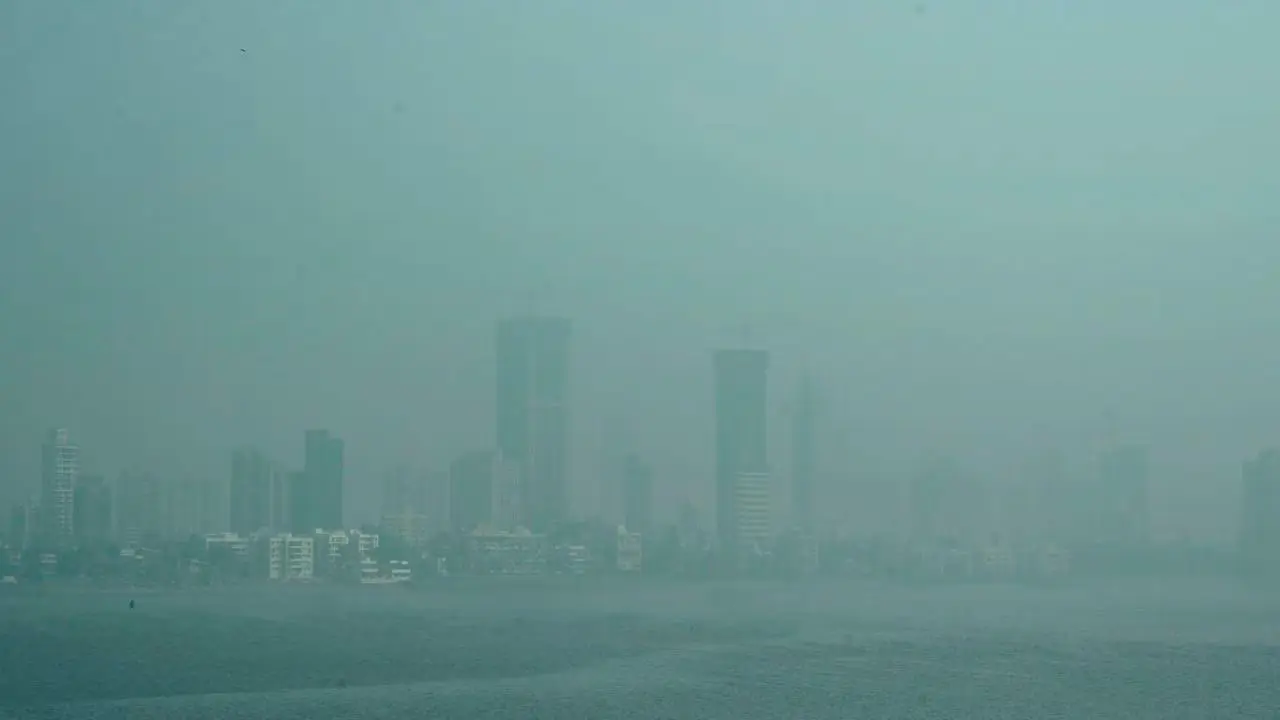
02 February,2026 08:27 PM IST | Mumbai | Sanjeev ShivadekarMumbai began Monday, February 2, 2026, under a veil of cold and haze, with smog engulfing several neighbourhoods and sharply cutting down visibility. The murky conditions once again drew attention to the city's deteriorating air quality, an issue that has lingered since the start of the winter season. The India Meteorological Department (IMD) has predicted mostly clear weather through the day, with temperatures likely to range between 23 degrees Celsius and 33 degrees Celsius. Although temperatures have remained relatively steady over the past few days, pollution levels have been anything but consistent, triggering growing health concerns among residents. Data from the Sameer app showed Mumbai's overall Air Quality Index (AQI) at 138 on Monday morning, categorising it as 'moderate'. Pollution levels varied across the city, with Bandra Kurla Complex recording an AQI of 141, Borivali East 134, Byculla 161, Andheri East 146, Chembur 120, Colaba 131, and Deonar 160. Ghatkopar registered an AQI of 164, Kandivali East 124, Malad West 160, Mazgaon 115, while Mulund West reported the highest reading among key locations at 169. Meanwhile, according to the data, Mumbai’s air quality index (AQI) stood at 141 on Monday, placing the city in the ‘moderate’ category. This marks a sharp rise from Sunday’s AQI of 105, also in the moderate range. The worst pollutant is PM10, mainly attributed to construction dust and vehicle emissions. Monday’s reading is the highest AQI recorded in Mumbai in two months and three days. The city last recorded a similar level on 4 January, when the AQI was 140, while the last higher reading was 167 on 27 November. Delhi-NCR wakes up to dense fog with AQI in moderate to poor categories Meanwhile, several parts of the Delhi-National Capital Region woke up to dense fog on Monday morning, with the Air Quality Index (AQI) remaining in the moderate to poor categories, according to data released by the Central Pollution Control Board (CPCB). As per CPCB data, AQI levels were recorded at 242 in Anand Vihar, 222 in Bawana, 157 at Burari Crossing, 217 in Chandni Chowk, 158 at DTU, 240 in Dwarka Sector-8, 132 at IGI Airport (T3), 141 at IIT Delhi, 194 at Jawaharlal Nehru Stadium, 116 at Lodhi Road, 232 at R.K. Puram, 207 in Patparganj, and 208 in Sonia Vihar. The Delhi-adjacent areas witnessed misty conditions in the early morning hours. Air quality in Ghaziabad remained in the ‘poor’ category, with an AQI of 259 recorded in the morning, according to CPCB data. In several parts of Delhi and NCR, visibility dropped to below 50 metres, severely affecting vehicular movement on major roads and highways. Officials stated that visibility conditions were likely to deteriorate further in the coming hours due to persistent fog. Major transit hubs, including the Indira Gandhi International Airport and several railway stations, reported delays as shallow to moderate fog continued well past sunrise. Commuters travelling on the DND Flyway and the Delhi-Gurgaon Expressway were advised to drive cautiously, use fog lights, and maintain low speeds amid hazardous conditions. Delhi’s weather is expected to change in the coming days. From February 3, skies are likely to gradually clear. However, another western disturbance is expected to affect north-west India from the night of February 5, potentially bringing cloud cover and drizzle towards the end of the week. Morning fog is expected to persist for the next six days. During the first week of February, maximum temperatures may gradually rise to around 24-25 degrees Celsius, bringing a mild sense of warmth during daytime hours. North India, including Punjab, Haryana, Rajasthan, and Uttar Pradesh, is also expected to witness notable weather changes as two western disturbances move across the region in quick succession, possibly leading to light rainfall in parts of north-west India later this week.
02 February,2026 07:00 PM IST | Mumbai | mid-day online correspondentThane Municipal Corporation (TMC) on Monday launched a large-scale 'deep clean drive' in the Kopri area under its Naupada-Kopri ward. Locals also turned out in large numbers to lend a helping hand in the special cleanliness drive. The campaign, led by mayor-designate Sharmila Pimpalolkar, began at 7.30 am from Ashtavinayak Chowk with a cleanliness pledge. Pimpalolkar said the initiative, launched with the slogan “Duty first, then charge of office,” would be expanded across Thane city and stressed the need for active public participation. Several corporators and senior civic officials were present during the drive, including Malti Patil, Namrata Pamnani and Bharat Chavan, along with Additional Commissioners Sandeep Malvi and Prashant Rode. Deputy Commissioners Madhukar Bodke and Deepak Jhinjad, Health Officer Dr Rani Shinde and other senior officials also took part. The drive covered Kopri village, Kanhaiya Nagar, Dr Babasaheb Ambedkar Chowk and Bara Bangla. Apart from garbage collection, roads were washed using treated water from sewage treatment plants. Students and teachers from multiple schools, including People’s Education Society School, Nanik English School, Shri Ma Balniketan, Vidyasagar Education Society and Jeevan Jyoti English Medium School, participated to spread awareness about cleanliness and segregation of wet and dry waste. Officials from departments such as gardens, water supply, encroachment, sewerage and education also joined the initiative. Students carried placards and raised slogans promoting cleanliness, including “Clean and beautiful Thane, let this be our resolve.” Civic officials said jetting machines, water tankers, two C and D waste vehicles, JCB dumpers and three 10-tonne RC compactors were deployed for the drive, with around 700 sanitation workers pressed into service. Aarey tribals flag garbage crisis Residents of tribal hamlets in Mumbai's Aarey Milk Colony have stepped up their demand for an effective garbage collection and disposal system. The lack of regular waste management has become a pressing concern, often forcing residents to dump trash outside their settlements. Locals warn that the mounting garbage is increasingly threatening the surrounding forest ecosystem and wildlife. Tribal leader Prakash Bhoir said there are around 2,700–2,800 voters across 27 tribal hamlets in Aarey Milk Colony, where indigenous residents have lived for generations, yet garbage collection remains neglected. “The BMC collects waste from slum pockets in Aarey, but our hamlets are ignored. We are appealing to candidates contesting the civic polls to ensure regular garbage collection and proper disposal in tribal areas so that waste is not dumped in the open, which poses a serious threat to wildlife,” Bhoir said. A site visit by Mid-Day revealed garbage dumped at multiple locations outside the hamlets due to the absence of nearby public dustbins. In contrast, garbage bins have been installed outside slum pockets in Aarey Milk Colony, from where the BMC collects waste daily. Dilip Jadhav, a resident of Vanichapada, said, “We want the corporator elected from our area to protect the forest from encroachment while ensuring daily garbage collection.” With no proper system in place, some residents are forced to dump waste at common points and later burn it once it accumulates, further contributing to air pollution.
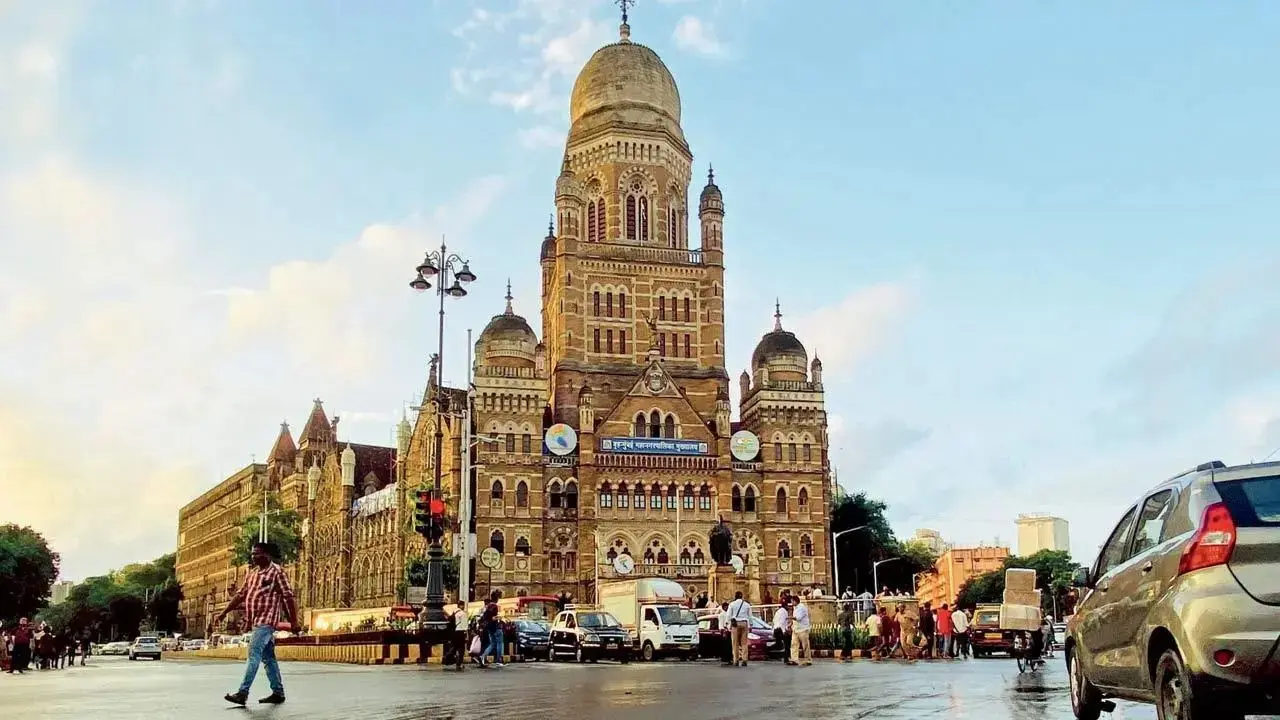
02 February,2026 06:09 PM IST | Thane | mid-day online correspondentThe Brihanmumbai Municipal Corporation (BMC) on Monday conducted a massive demolition and anti-encroachment drive on several roads in south Mumbai at and near Mohammed Ali Road, officials said. According to the Mumbai civic body, the officials, during the drive, removed illegal hawkers and unauthorised structures from pavements on Mohammed Ali Road and Ibrahim Merchant Road. The action was carried out by the civic body’s B Ward administrative department. Both roads are among the city’s busiest commercial stretches, connecting areas such as Bhendi Bazaar, Masjid Bunder, Byculla, Nagdevi and Mandvi. Due to illegal extensions on footpaths and unauthorised vending, pedestrians and motorists were facing serious inconvenience. The removal drive was conducted as per the instructions of Additional Municipal Commissioner (City) Dr Ashwini Joshi. The operation was carried out under the guidance of Deputy Commissioner (Zone 1) Chanda Jadhav and led by Assistant Municipal Commissioner of B Ward Yogesh Desai. Illegal shops, sheds and vehicles removed During the drive, the civic team removed 7 illegal shops, 12 platforms (otas), tin and metal sheds, 10 bollards and 2 abandoned vehicles. The operation was carried out using four encroachment removal vehicles, two JCB machines, and other equipment. Around 40 BMC officials and staff, along with adequate police protection, were deployed to ensure smooth action. Civic body to continue action against encroachments Local residents have expressed satisfaction with the removal of encroachments, stating that pedestrian movement and traffic flow have improved, officials said. They said that the BMC administration has said that regular action will continue against illegal and unauthorised constructions to ensure clear pavements and safer roads across the city. BMC launch massive demolition drive between Goregaon and Borivali Meanwhile, earlier this month, the BMC and Mumbai Police had launched a massive demolition and anti-encroachment drive between Goregaon and Borivali to clear roads near metro stations and congested roads, civic officials said. The BMC with the assistance of Zone XI police, carried out a large-scale crackdown on illegal hawkers across Mumbai’s western suburbs, clearing some of the city’s most congested roads and transit zones, officials said. According to police sources, the drive was conducted jointly by the BMC and Zone XI police and covered an extensive stretch from Goregaon to Borivali West. During the special drive, key areas targeted during the operation included Kandivali Metro Station, New Link Road, Dahanu Karwadi, M.G. Road, Link Road, S.V. Road, Motilal Nagar, Raam Mandir, and surrounding suburban railway station areas. These locations are known for heavy pedestrian movement and frequent congestion caused by unauthorised hawking, the police said. Officials said the operation focused on reclaiming footpaths and public spaces to ensure smooth pedestrian movement and traffic flow. Footpaths and under-bridge settlements removed During the drive, hawkers illegally occupying footpaths were removed, restoring access for pedestrians. Civic teams also cleared illegal settlements set up under bridges, where members of a community had reportedly established temporary bases, officials said. The civic officials stated that the roads near Kandivali Metro Station and Dahanu Karwadi were completely cleared following the action. Meanwhile, no illegal hawkers were found operating along the Vasant Complex stretch on Link Road after the enforcement drive.
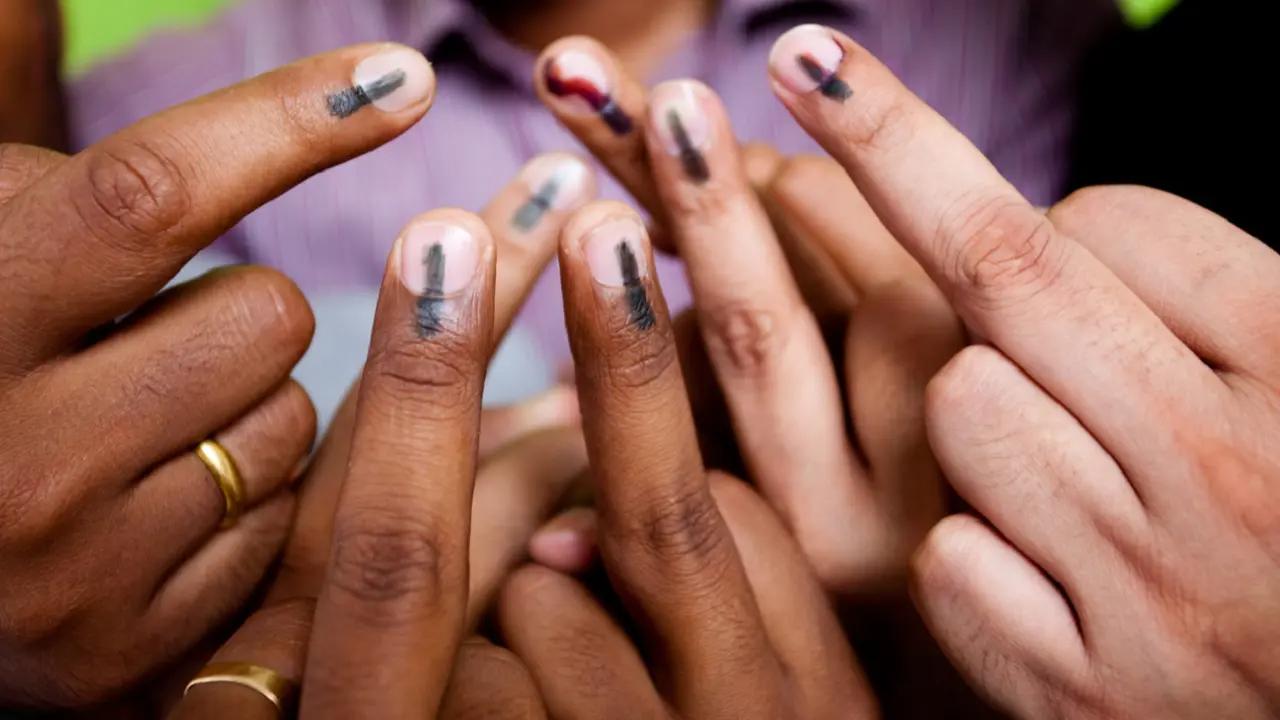
02 February,2026 05:58 PM IST | Mumbai | mid-day online correspondentThe Maharashtra government on Monday announced a paid holiday or special concession for employees in industries, establishments and factories on February 7, when general elections will be held to 12 Zilla Parishads and 125 Panchayat Samitis across the state. According to an official notification issued by the Department of Industries, Energy, Labour and Mining, the directive aims to ensure that all eligible voters, including those residing near state borders or working outside their polling constituencies, are able to exercise their right to vote. As per the order, workers, officers and employees who are registered voters in polling areas must be granted a paid holiday on election day. The provision applies to all establishments under the department’s jurisdiction, including factories, shops and commercial establishments. The order covers private companies, retail outlets, residential hotels, eateries, lodging houses, theatres, trade and industrial units, information technology companies, shopping centres, malls and other similar establishments. In exceptional cases involving hazardous or essential public utility services, where granting a full-day holiday may result in significant operational losses, employers have been directed to provide a special concession of two to three hours to employees to enable them to vote. A public holiday will be applicable in Zilla Parishads of Raigad, Ratnagiri, Sindhudurg, Pune, Satara, Sangli, Solapur, Kolhapur, Chhatrapati Sambhajinagar, Parbhani, Dharashiv and Latur, covering all Panchayat Samitis under their jurisdiction. Maharashtra Zilla Parishad elections: Teachers seek relief to appear for CTET exams Teachers scheduled to appear for the Central Teacher Eligibility Test (CTET) have sought exemption from election duty after the Zilla Parishad poll dates were rescheduled from February 5 to February 7 last week. “CTET aspirants have been allotted February 7 and 8 as their examination dates. Candidates also need to factor in travel and accommodation, as several teachers have been assigned centres located far from their homes,” said Sudhir Ghagas of the Shikshan Kranti Sanghatana. The CTET, administered centrally by the Central Board of Secondary Education (CBSE), is a mandatory qualifying examination for teachers from Standards I to VIII. “The question now is whether candidates should appear for an examination they have prepared for or report for election duty,” Ghagas said. The Zilla Parishad elections were originally scheduled for February 5 but were postponed following a three-day state mourning period after the death of Maharashtra Deputy Chief Minister Ajit Pawar. “Although some circulars state that the examination will be conducted on February 8, teachers continue to face difficulties as the centres allotted to them are located far away,” said Mahendra Ganpule, former president of the Maharashtra School Principals’ Association. Following these representations, officials from the Zilla Adhikari Office have sought details of teachers who are scheduled to appear for the CTET on Friday.
02 February,2026 05:34 PM IST | Mumbai | mid-day online correspondentAs part of the Mrinaltai Gore Flyover project works, Mumbai Police on Monday issued traffic restrictions in Oshiwara and Goregaon areas of the city, sharing a list of alternative routes for motorists. According to an official traffic notification, traffic restrictions will be imposed on S.V. Road in Mumbai’s western suburbs due to flyover construction work over the Oshiwara Nala. The work is part of the Mrinaltai Gore Flyover project and will involve the installation of heavy girders, officials said. “Within the jurisdiction of the Oshiwara and Goregaon Traffic Division, work is scheduled to commence for the installation of girders over the Oshiwara Nallah on S.V. Road as part of the Mrinaltai Gore Flyover project. Due to the heavy equipment and machinery required for the said work, there is a likelihood of traffic congestion and obstruction at the site. Therefore, from the viewpoint of public safety, to ensure the smooth movement of traffic in the area and the proper regulation of vehicular flow, the following temporary changes in traffic arrangements have been implemented," the police said. The restrictions will be in force every night from 00:00 hours to 05:00 hours 31/03/2026, officials said. Roads to remain closed at night Both carriageways of S.V. Road, between Ram Mandir Junction and Relief Road, will be closed to all vehicles during night hours, the traffic police notification said. Closure details- Time: 12:00 midnight to 5:00 a.m. Dates: From 21 January 2026 to 31 March 2026 Affected stretch: Ram Mandir Junction to Relief Road The closure is necessary due to the movement of heavy machinery, construction equipment and materials at the site, police said. Alternative routes issued by Mumbai Police The notification further said that to reduce inconvenience to commuters, the traffic police have announced the following diversion routes - For vehicles coming from Andheri via S.V. Road: - Take a left turn at Sweet Corner Junction and proceed via relief road - Continue towards destination using Link Road. For vehicles coming from Goregaon via S.V. Road: - Take a right turn at Ram Mandir Junction- proceed via BEST Road to reach the destination. - For vehicles coming from Goregaon Link Road: - Take a left turn at Anand Nagar Junction- go straight ahead - continue towards destination via S.V. Road. Traffic police appeal to citizens The traffic police have requested citizens to avoid the restricted stretch during the mentioned hours and follow the diversion routes. Commuters are also urged to cooperate with the traffic police to ensure safety and smooth traffic flow during the construction period.
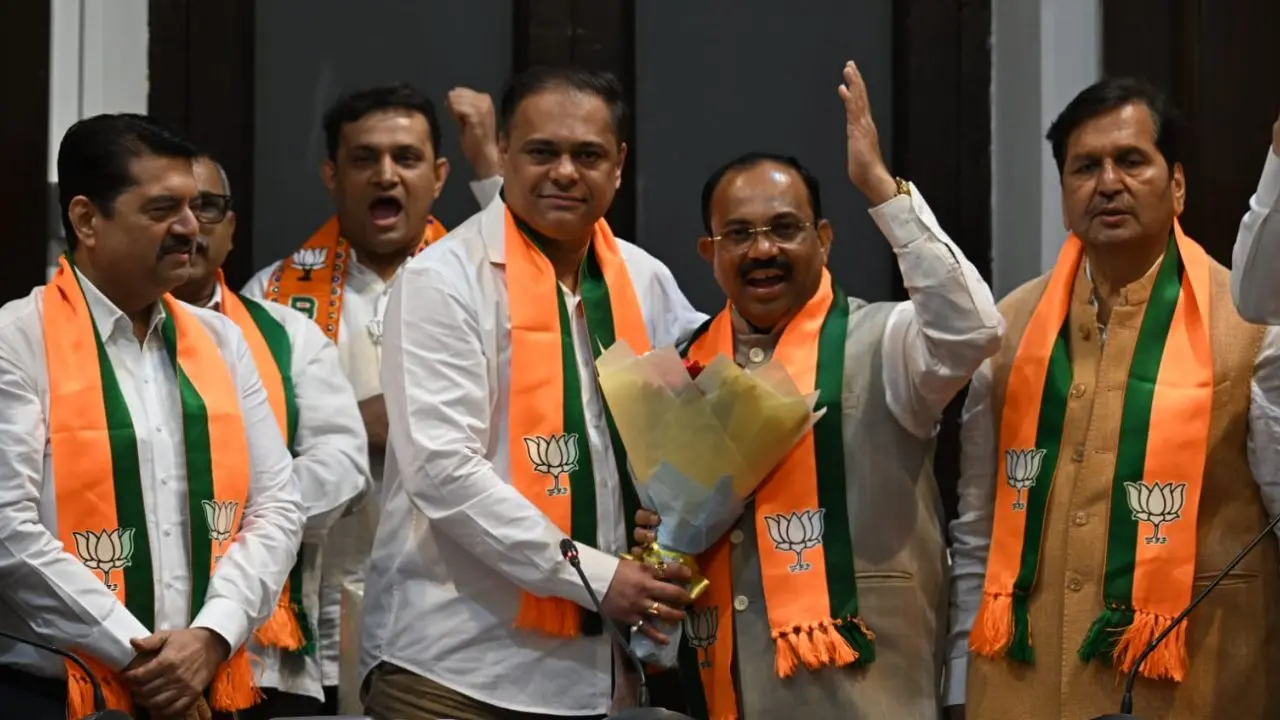
02 February,2026 05:20 PM IST | Mumbai | mid-day online correspondentDays after the BMC elections of 2026, the Bharatiya Janata Party (BJP) on Monday appointed Ward 7 (Dahisar) corporator Ganesh Khankar as their party leader in the Brihanmumbai Municipal Corporation (BMC). Apart from BJP, Shiv Sena has also appointed Amey Ghole as their leader in BMC. Ghole, during the recently concluded BMC elections, was elected as a corporator from ward 178, Matunga. BJP emerges as the single largest party in BMC elections 2026. The appointment of Ganesh Khankar comes after the BJP emerged as the single largest party in the recently concluded BMC elections 2026, winning 89 corporator seats. The announcement was made at the BMC headquarters during a formal meeting where both the BJP and the Shiv Sena registered their elected representatives. Shiv Sena’s Ghole offers administrative experience Amey Ghole, a two-time corporator from Shiv Sena, brings significant administrative and political experience to the role. During his previous tenure in the BMC, when he was part of the undivided Shiv Sena, he served as the chairman of the civic body’s Health Committee, where he also played an important role in shaping public health initiatives. Amey Ghole also holds the position of general secretary of the Yuva Sena, the party’s youth wing, and is known for his strong connection with grassroots workers and young party cadres in Mumbai and Maharashtra. BMC election results The results of the Mumbai Municipal Corporation elections were officially declared on Friday, highlighting significant wins for the Shiv Sena, Bharatiya Janata Party (BJP), Congress, and Uddhav Balasaheb Thackeray’s faction (UBT) across the 227 wards. People of Mumbai supported our development agenda: CM Fadnavis Soon after the BMC election results, CM Fadnavis while hailing BJP’s win called it a “very happy moment”, he also said that it had been the BJP’s long-standing dream to emerge as the single largest party in Mumbai ever since it established its independent organisational base in the city, PTI reported. He noted that the BJP had emerged as the largest party in Mumbai in the assembly elections of 2014, 2019, and 2024 and had missed the top position in the 2017 BMC polls by just two seats.
02 February,2026 04:12 PM IST | Mumbai | mid-day online correspondentADVERTISEMENT